
South Australia's Limestone Coast is home to some of Australia's most extraordinary freshwater dive sites, and at the top of that list is Kilsby Sinkhole. Tucked away on a working sheep farm in Mount Gambier, this remarkable dive site is renowned for its crystal-clear fresh water and spectacular shafts of sunlight that illuminate the depths.
I've been lucky enough to visit Kilsby Sinkhole several times now, and it's a place that never loses its appeal. From the surreal underwater landscape to the incredible visibility and the opportunity to dive somewhere so different from the ocean, it's easily one of my favourite places to freedive in Australia.
Having returned with Eunoia Freediving groups over the years, I've also had the pleasure of sharing this unique location with other freedivers, watching people experience it for the first time and discovering just how special this part of South Australia really is.
If you've been considering a freediving trip to South Australia, here's a little introduction to Kilsby Sinkhole and some of the other incredible freshwater dive sites along the Limestone Coast.

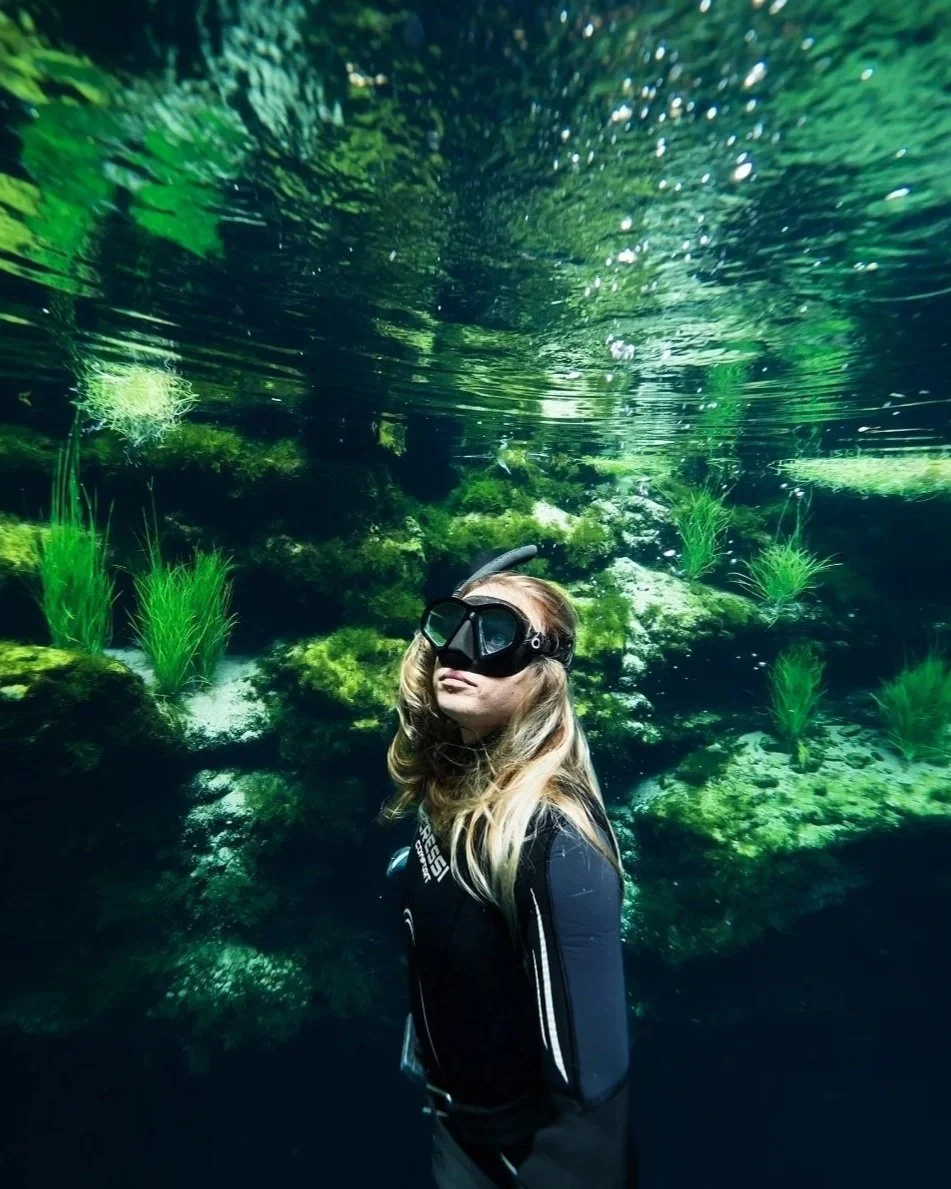
Kilsby Sinkhole: Australia's Most Unique Freediving Location
Tucked away in the middle of a working sheep farm in Mount Gambier - ‘Australia’s Sinkhole Capital’, Kilsby Sinkhole is a remarkable freshwater freediving site. Formed over millions of years through the dissolution of the surrounding limestone, this natural sinkhole is known for its incredible visibility and striking underwater landscape.
The water is so clear that you can easily see the bottom weight down at 24 metres from the surface. As you descend, you're surrounded by vibrant green aquatic plants clinging to the ridged limestone walls, creating the feeling of swimming through a giant natural aquarium. There might not be many fish to spot, but Kilsby does have one rather special resident: a freshwater turtle that calls the sinkhole home!
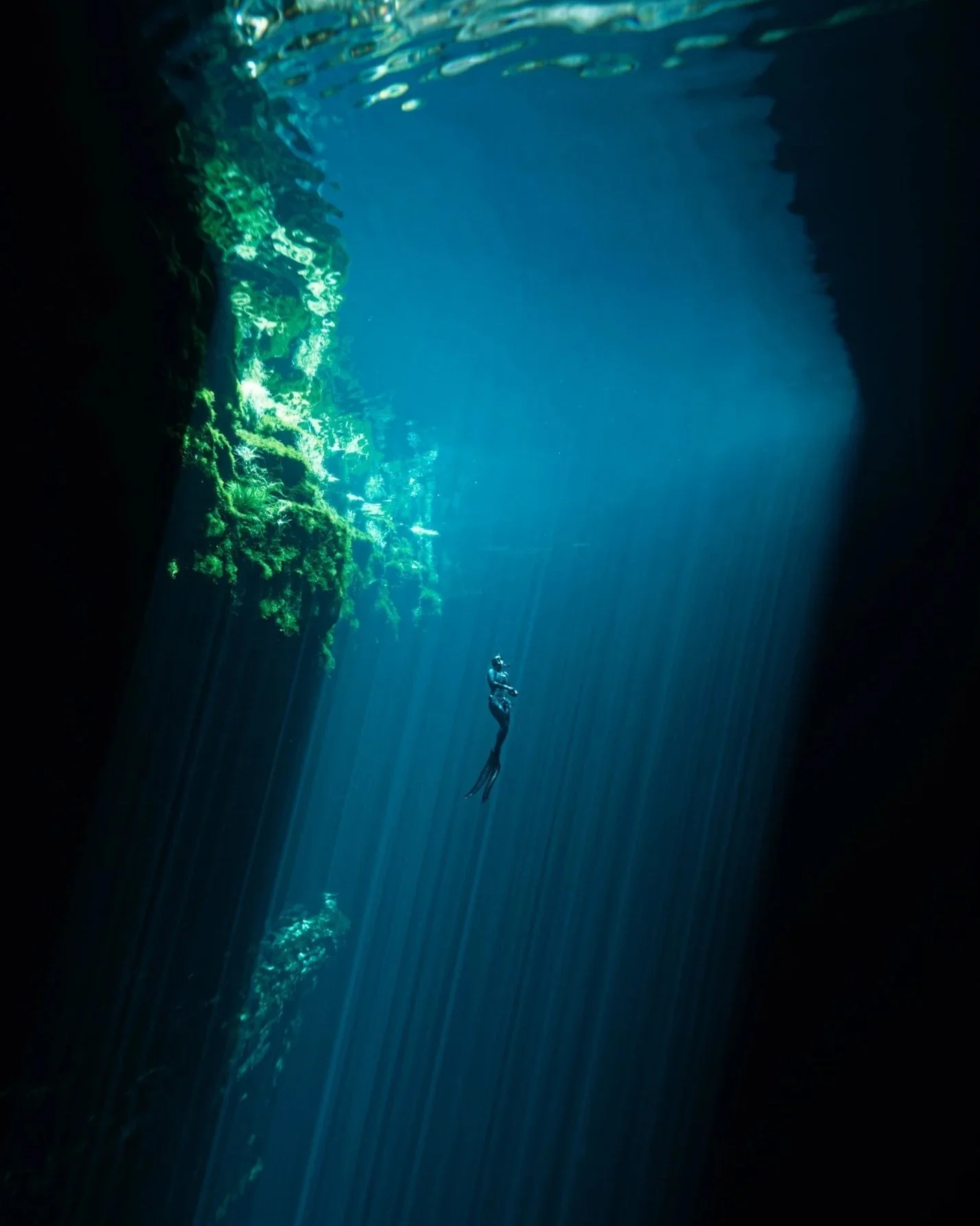
But perhaps the most famous feature of Kilsby Sinkhole is its incredible light beams. When the sun hits the water at just the right angle, shafts of sunlight penetrate the crystal-clear blue depths, creating the most surreal underwater spectacle.
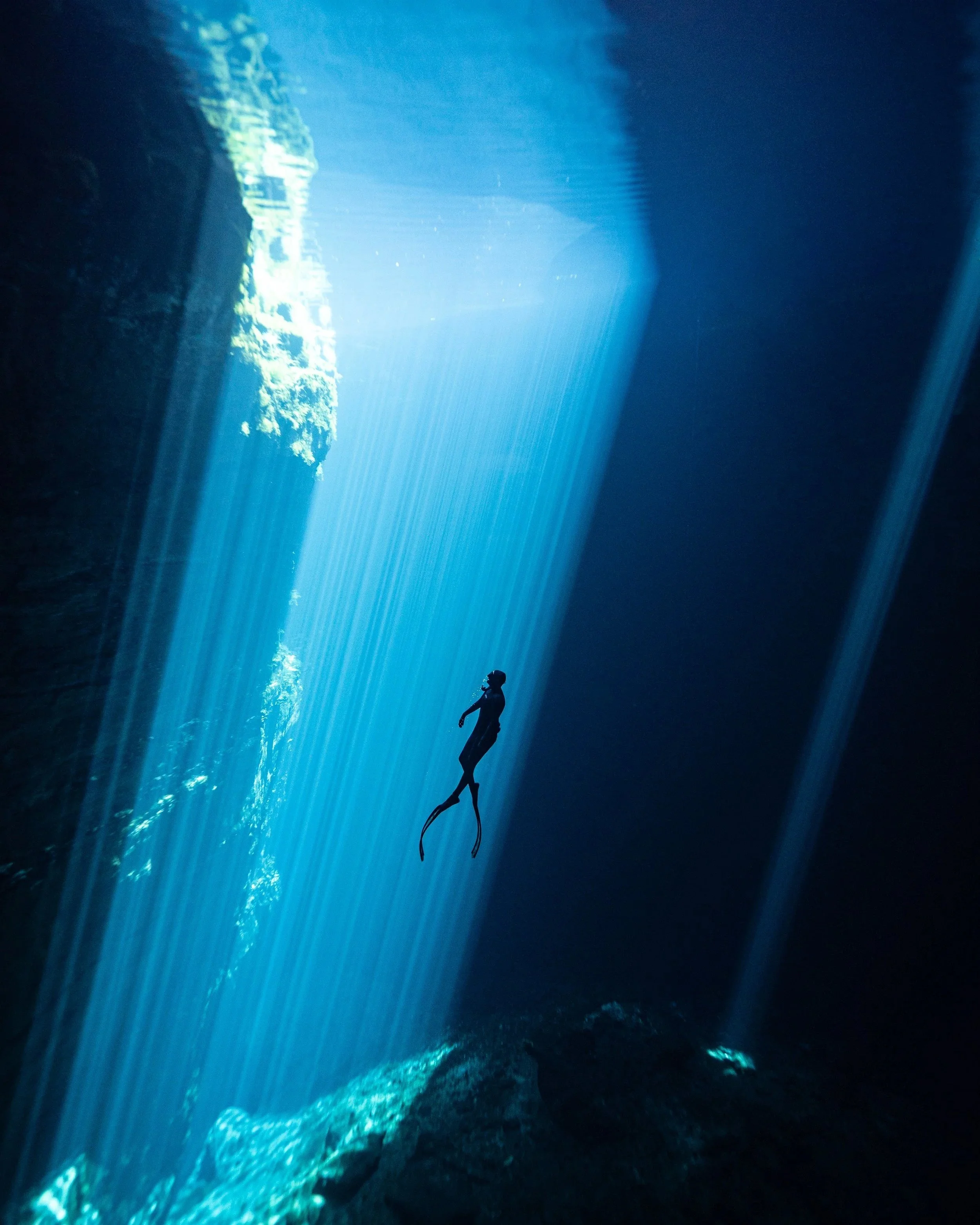
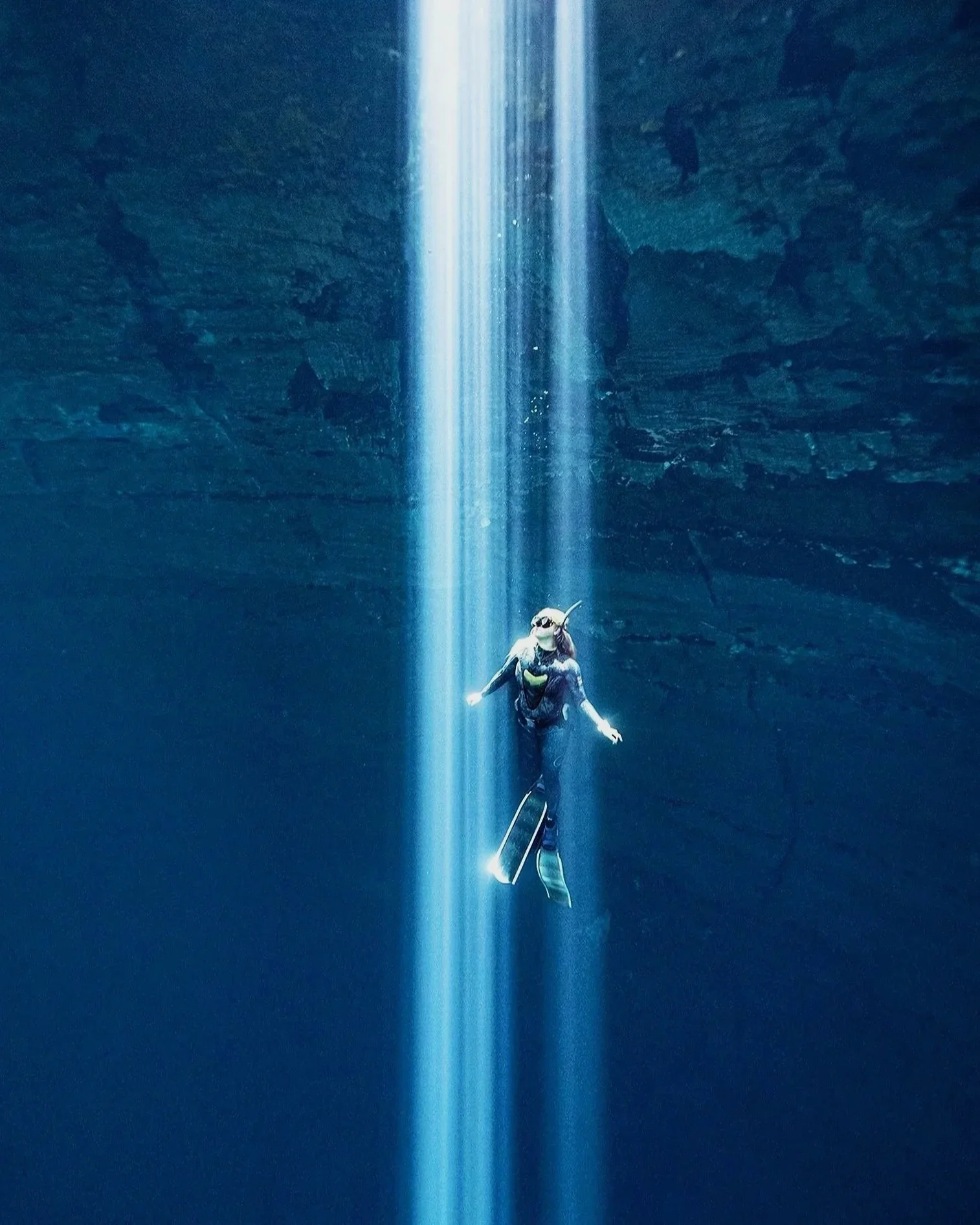
Kilsby’s magical light beams really are something special. The water lights up in incredible shades of blue, with long beams of sunlight illuminating the sinkhole and everything beneath the surface, making it the perfect location for underwater photography. The combination of visibility, natural light and dramatic limestone walls creates some pretty spectacular opportunities, whether you're capturing the underwater landscape or photographing a freediver descending into the depths.
One of the things I particularly love about diving Kilsby with Eunoia groups is having dedicated access to the sinkhole. Rather than sharing the water with public snorkelling tours, our groups have exclusive use of the site during our booked sessions. It makes for a much more serene experience, with plenty of time and space to enjoy the magic of this spot.
How to Freedive at Kilsby Sinkhole
One thing worth knowing if you're planning a visit to Kilsby Sinkhole is that access is privately managed, so you can't simply turn up and go for a dive. Freediving access is restricted to licensed schools, with sessions needing to be booked well in advance.
If you want to experience Kilsby beneath the surface, you'll need to join an organised freediving trip with a licensed operator. Guided group snorkelling tours are also available, although these don't permit the use of freediving equipment.
Timing your visit is also important. If you'd like to see Kilsby's famous light shard, summer is the best time to visit. The position of the sun during the warmer months creates the ideal conditions for sunlight to stream through the water, illuminating the sinkhole in those incredible beams of light.
Ewens Ponds
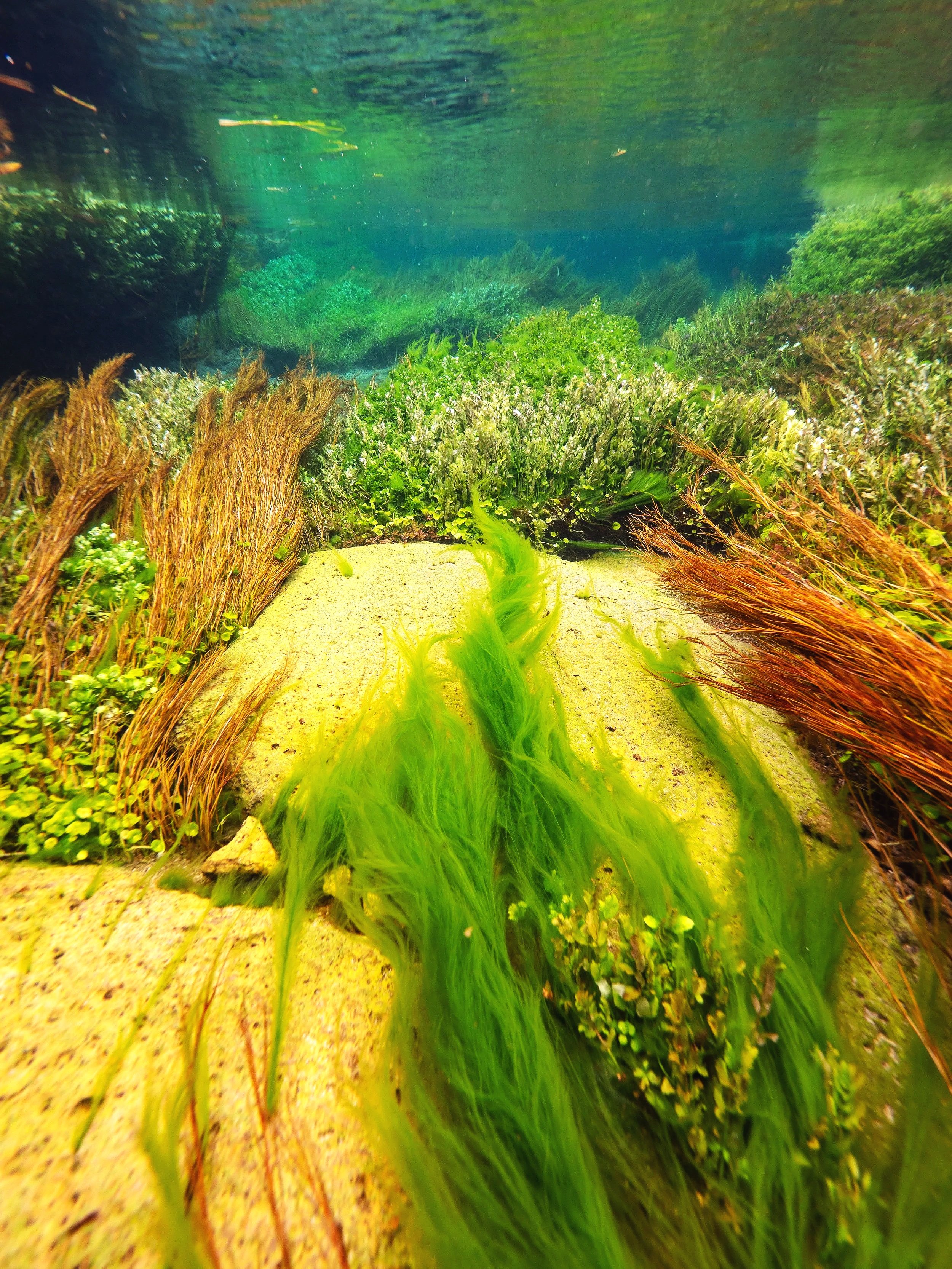
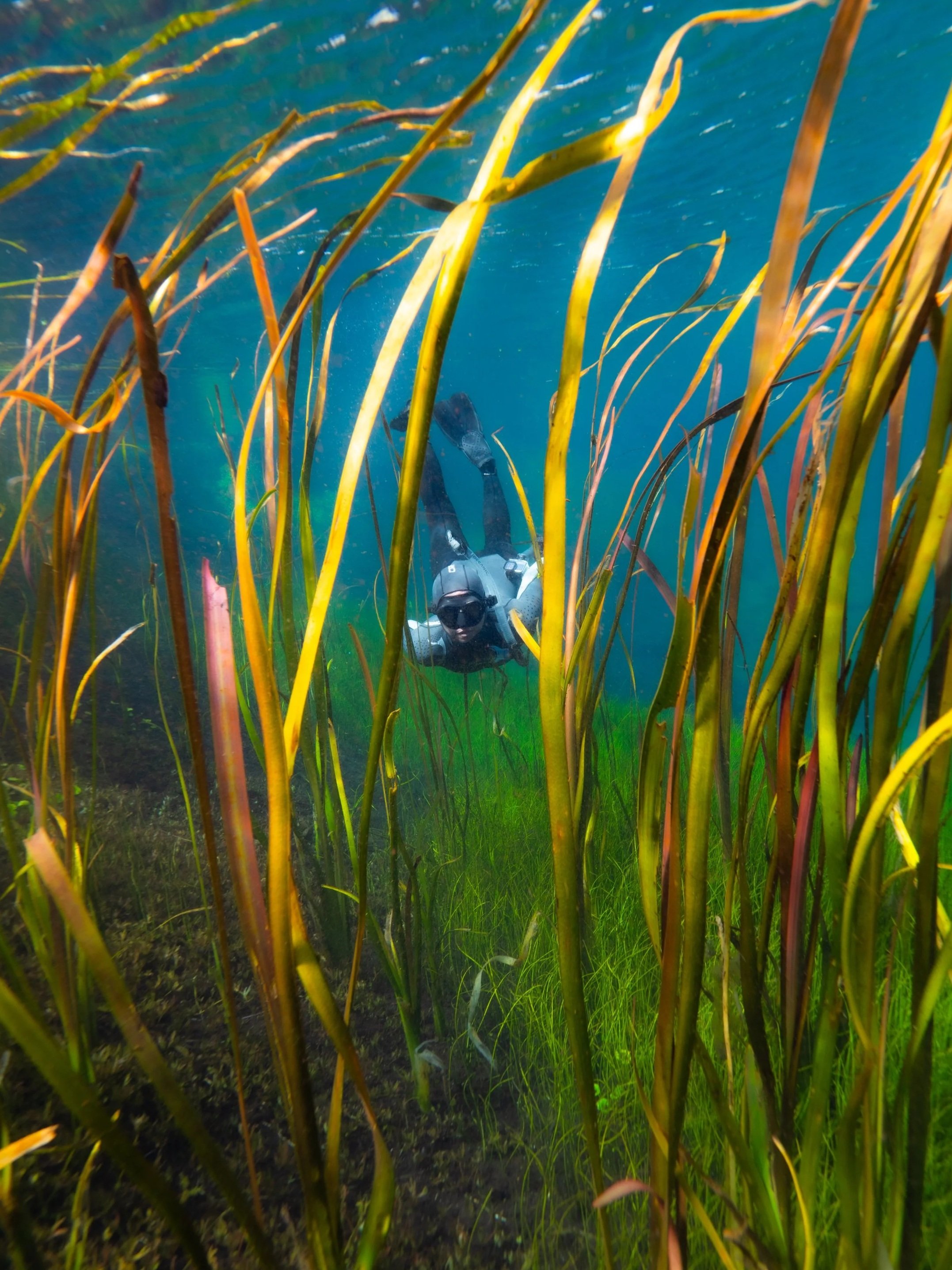
Just a short drive from Kilsby Sinkhole, Ewens Ponds offers a very different freediving experience. It's a little like taking a walk through the countryside on a summer's day, only underwater (and considerably colder!) The water is crystal clear, and the ponds are full of vibrant green aquatic plant life, fish, crayfish and even the occasional eel!
What makes Ewens particularly interesting are the narrow channels connecting the three ponds. You can quite literally drift between them, following the channels as they wind their way through the vegetation. And if you're lucky, you might find yourself floating alongside a few curious ducks - not something you experience on most freediving trips!
It's a world away from the depths of Kilsby Sinkhole, but that's part of what makes exploring the Limestone Coast so unique. There's such a variety of sites to experience, each offering something completely different.
One thing to note if you're planning a visit is that Ewens Ponds is managed by South Australia's National Parks and Wildlife Service, with access carefully regulated to protect its delicate ecosystem.The ponds close to the public at certain times of the year to allow the environment to recover and plant life to regenerate. When they’re open, you'll need to book and pay for an allocated entry session in advance. There are restrictions on group numbers as well as equipment that’s permitted, including short fins only and no weightbelts, to help protect the aquatic life.
At Eunoia, we plan our Limestone Coast trips around the seasonal opening dates to make sure that we can include Ewens Ponds in the itinerary.
The Little Blue Lake
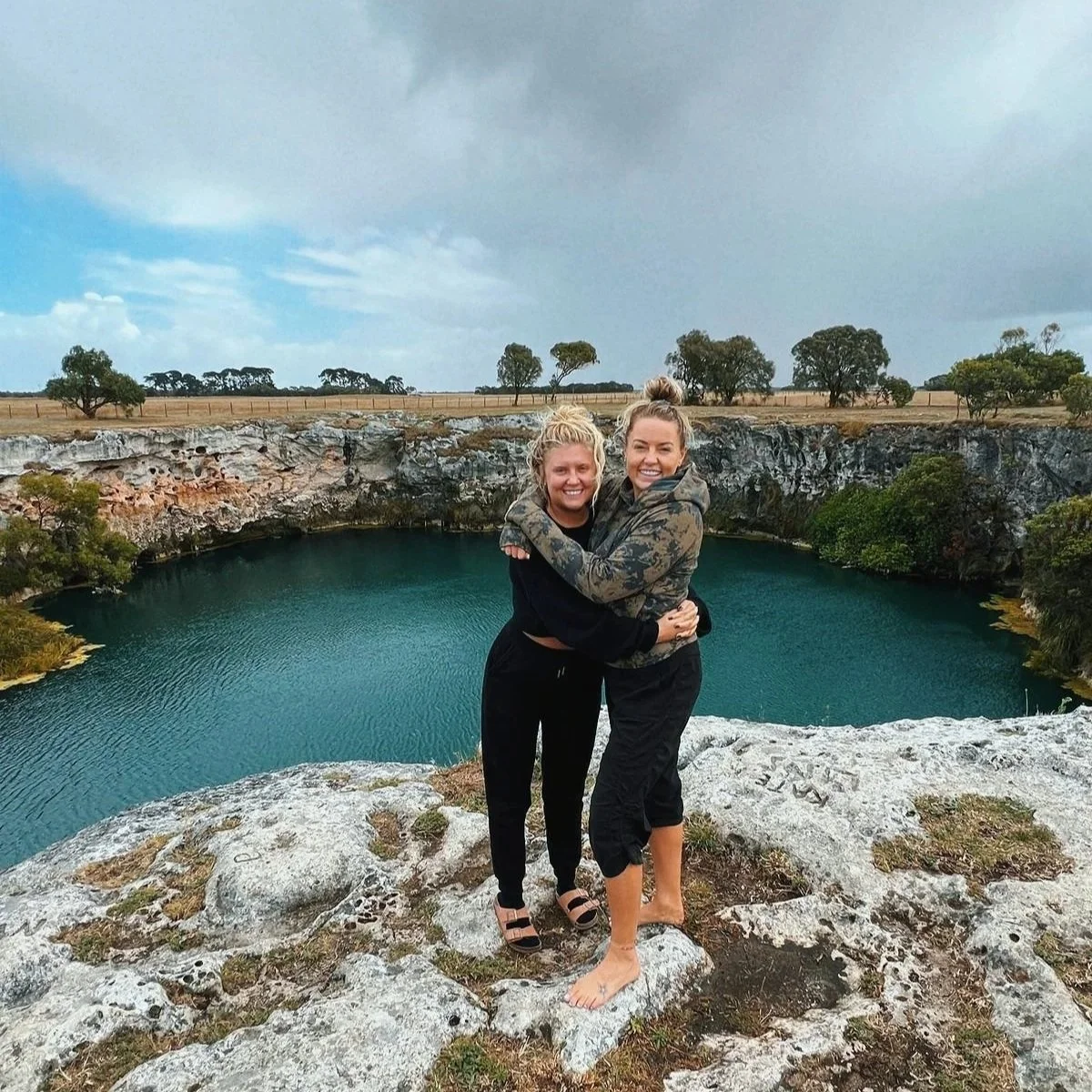
Another popular freshwater swimming and diving spot near Mount Gambier is The Little Blue Lake.
Unlike Kilsby Sinkhole, The Little Blue Lake is a much more open site that is accessible to the public, with a floating pontoon and steps leading into the water. Its perfectly circular shape and striking blue water make it an impressive sight from above. It's also a great location for freediving, with depths exceeding 40 metres in some areas.
One of the things that makes diving here interesting is the thermocline. The surface water can be surprisingly warm, making for some comfortable relaxation between dives. But as you descend, you'll reach the thermocline, where the temperature drops quite noticeably and much colder water awaits below!
The visibility can vary compared with Kilsby or Ewens Ponds, but The Little Blue Lake has its own appeal. With its greater depth and distinct temperature layers, it offers quite a different experience to the other freshwater sites along the Limestone Coast.
Exploring the Limestone Coast with Eunoia Freediving

The Limestone Coast has fast become one of my favourite places to freedive. Having returned several times, I'm still amazed by the variety of underwater environments packed into such a small area. It's a place I always enjoy coming back to.
I'll next be heading back with Eunoia Freediving from 4–8 February 2027, spending five days exploring Kilsby Sinkhole, the Little Blue Lake and Ewens Ponds. With three private sessions at Kilsby, additional depth diving at Little Blue, and time to explore the surrounding sites, it's a great way to experience everything this unique freediving destination has to offer.
We'll have a maximum of eight guests, with options for SSI Level 1 and Level 2 certification, as well as coaching for more experienced freedivers.
Find out more about our Kilsby Sinkhole & Limestone Coast trip.
Another world awaits! We’d love to explore it with you.
See you underwater soon…