
Freediving Nguthungulli
Just offshore from the picturesque Byron Bay lies Nguthgulli, also known as Julian Rocks -a place that feels alive before you even get in the water. Known to the Bundjalung people as Nguthgulli, this site is named after a sacred figure believed to watch over the sea and coastline, and it carries a depth of history that adds weight to every dive. It’s a place where the ocean is constantly moving, and so are you.
I’ve dived Nguthgulli many times now, and no two dives have ever felt the same. Conditions shift, light changes, currents pull differently - and somehow, that unpredictability is what keeps drawing me back.
About Nguthungulli
Nguthgulli sits right where the East Australian Current pushes warm tropical water south, colliding with cooler temperate systems. The result is a dense, constantly changing ecosystem packed into a relatively small area. Rocky pinnacles rise from the seabed, sandy patches appear between bommies, and blue water swirls around this iconic rock.
It’s relatively close to shore (just a 20-minute boat ride from Brunswick Heads), but it doesn’t feel sheltered. This is open-ocean freediving at its best - dynamic, powerful, and incredibly rewarding when everything lines up.
Marine Life
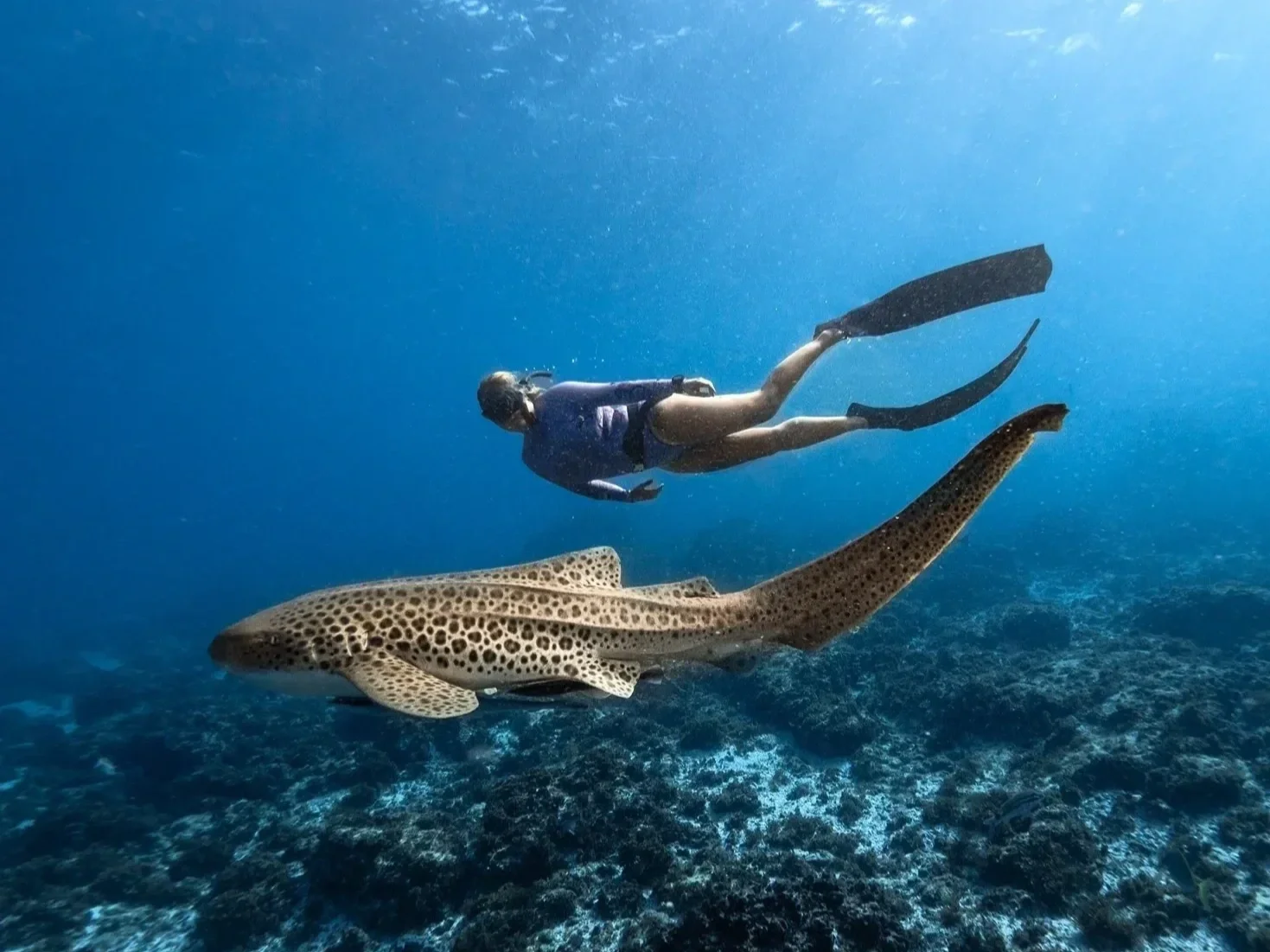
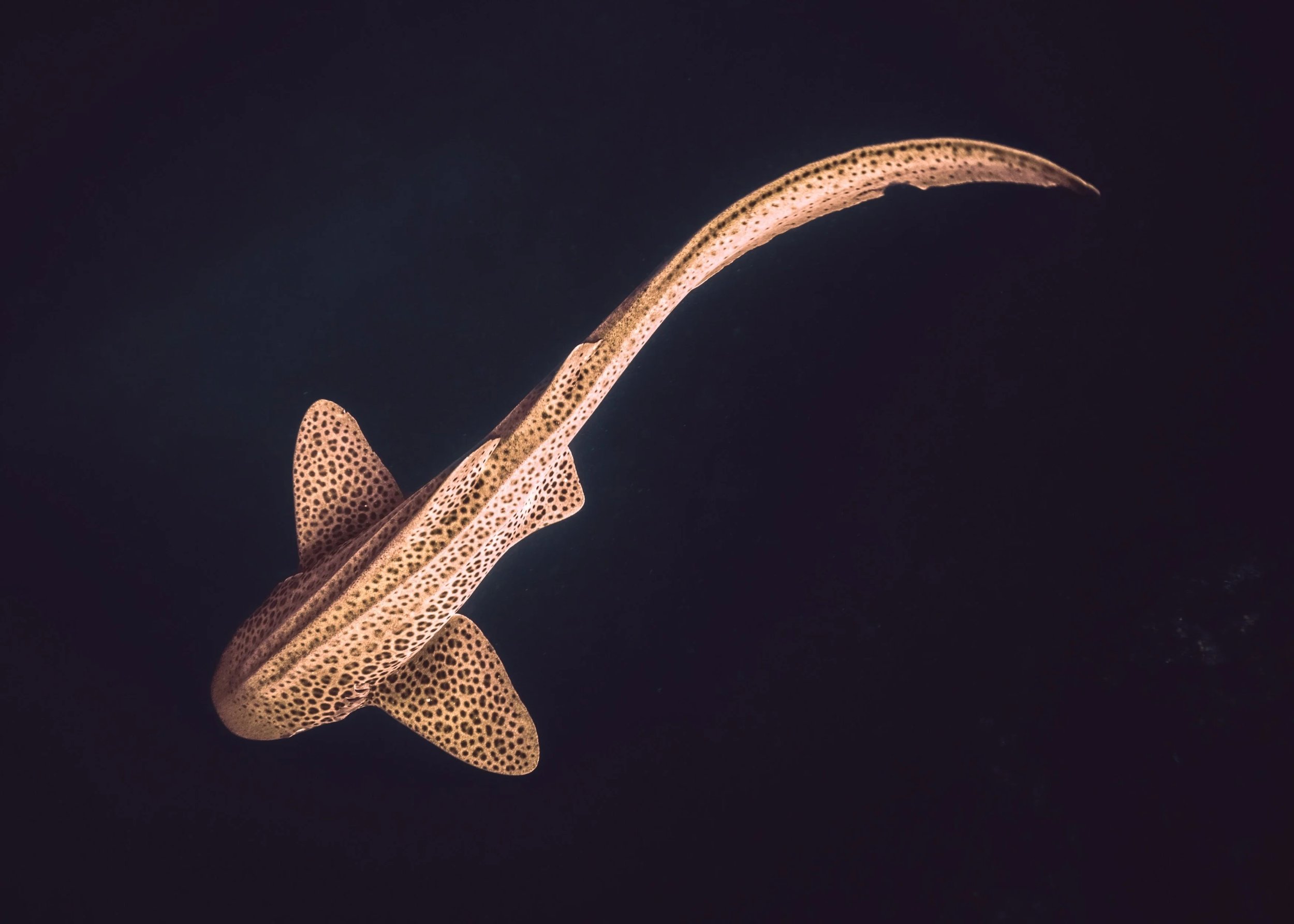
Summer at Nguthgulli is something special. Between December and March, the site becomes home to one of the largest known aggregations of leopard sharks in the world. Seeing them resting on the sand or cruising past in large numbers never loses its impact. They’re calm, curious, and completely unbothered by our presence.
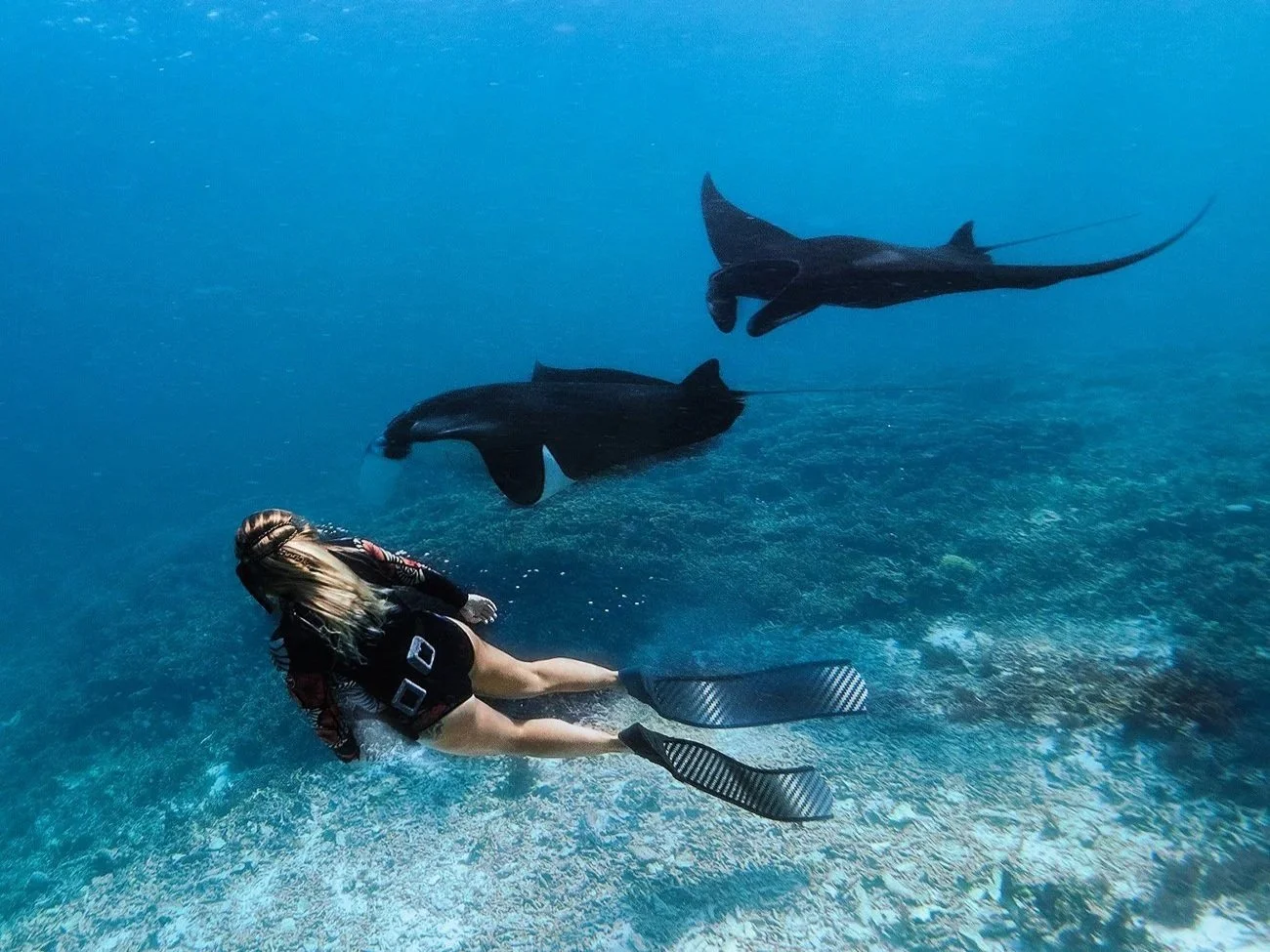
On the right day, you might also be lucky enough to share the water with giant manta rays. Watching these majestic creatures glide effortlessly through the blue, pausing at one of the site’s cleaning stations, is one of those moments that makes you forget about time entirely.
Beyond that, there are always turtles, spotted eagle rays, wobbegongs, schools of fish, and plenty of macro life if you take the time to look.
Summer & Winter at Nguthungulli
For leopard sharks and mantas, summer is the prime time to visit. Warm water, good visibility, and long sunny days make it the most popular season.
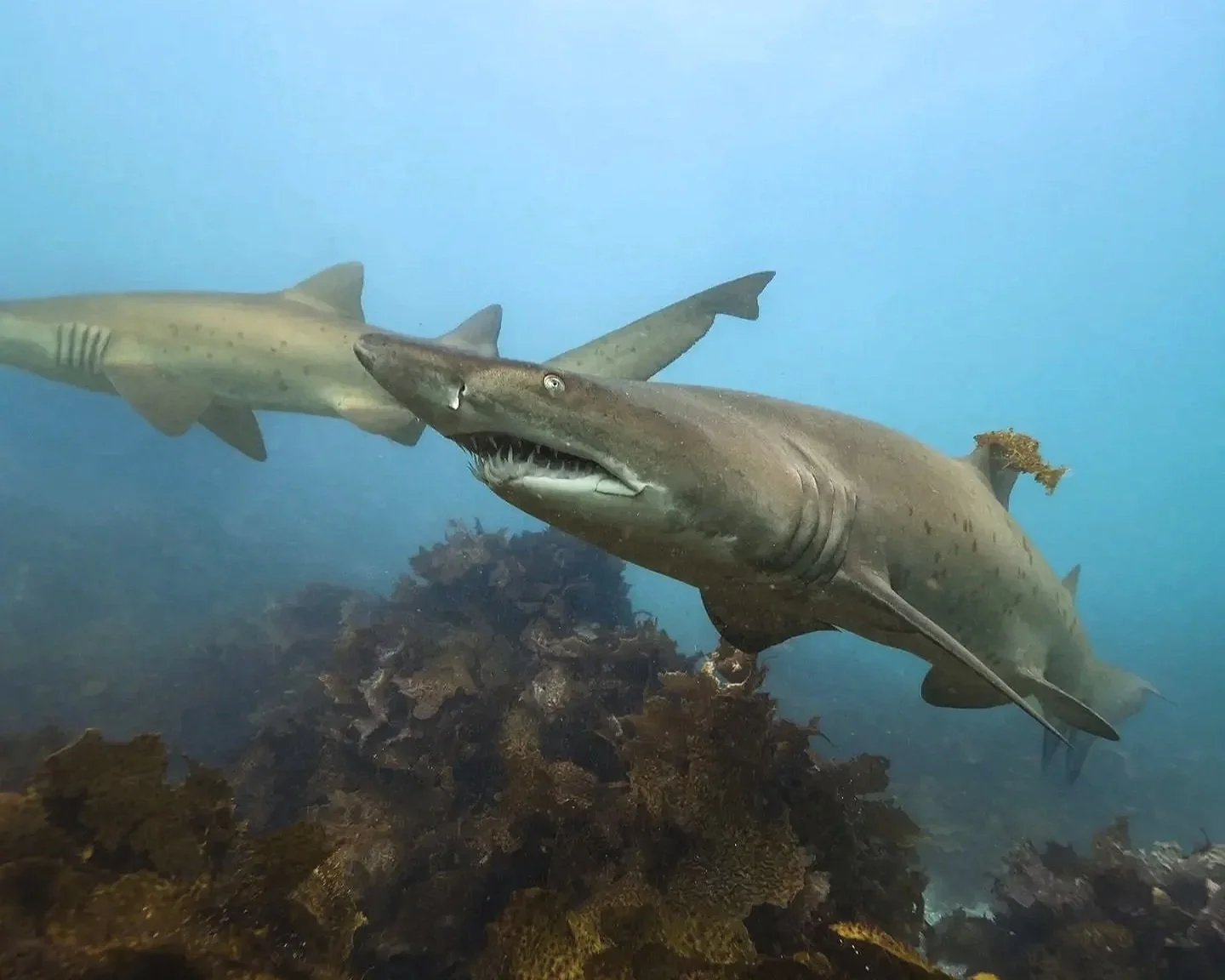
Winter brings a different kind of magic. The water cools, visibility improves, and grey nurse sharks arrive - offering an entirely different experience to the summer months.
Things to Consider
Nguthgulli gives a lot, but it asks for respect.
Access is via a bar crossing, meaning swell and weather play a big role. Some days trips are cancelled entirely - and rightly so. Even once you’re in the water, surge and current can be strong, especially on the outskirts of the rock.
This isn’t a site to approach casually. Being comfortable in open-ocean conditions and diving with experienced locals and reliable buddies makes all the difference.
Nguthgulli isn’t about ticking off a dive or chasing perfect conditions every time. It’s about reading the ocean, adapting, and accepting whatever the day gives you. When it all comes together—clear water, gentle current, sharks resting below—it’s unforgettable.
Every time I dive here, I come away feeling small in the best possible way.